


‘Hep C’ clinics support a healthier community
July 2, 2026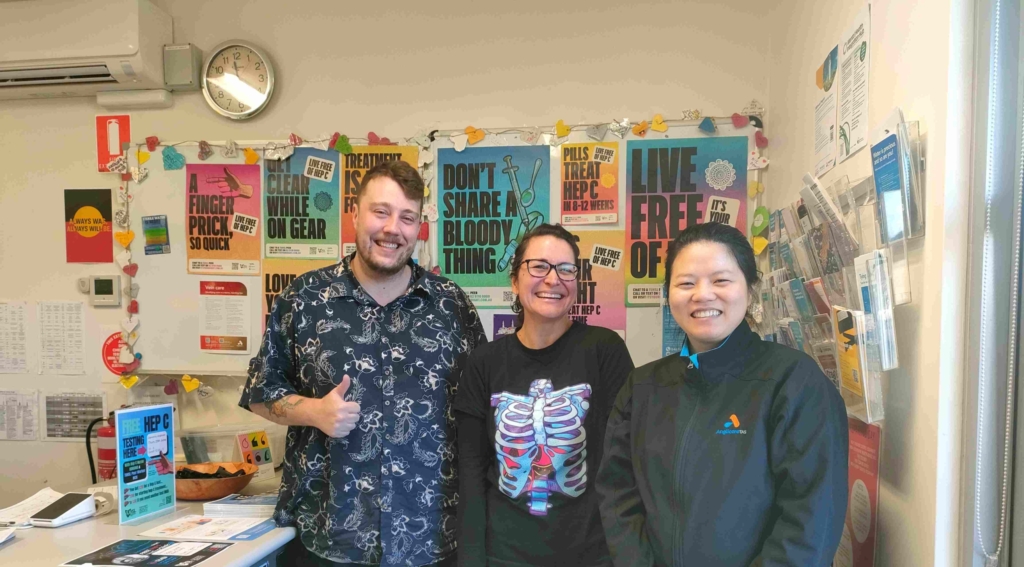
Getting tested for a blood-borne disease like Hepatitis C is a positive first step on the journey to better health.
Hep C is a blood-borne virus that damages a person’s liver. The virus can be transmitted through the sharing of injecting equipment or if you get a tattoo done with equipment that hasn’t been sterilised. Any blood-to-blood contact carries this risk.
Symptoms can include tiredness, trouble sleeping, mood swings, anxiety and depression, nausea and poor appetite. However, some people live with the virus without feeling sick at all, which makes regular testing important.
Anglicare’s Needle and Syringe Program (NSP) outlets, co-located with its offices in Glenorchy, Burnie and Launceston, will host free hepatitis testing clinics this month, ahead of World Hepatitis Day.
Other organisations, including TasCAHRD, neighbourhood houses and pharmacies will host similar clinics. Check the TasCAHRD website for the full list.
Anglicare’s Burnie team is proud to lead the way with the highest take-up of tests around the state. It’s a testament to the high level of trust that people living in Burnie and surrounding areas have in the team.
Anglicare took over the Launceston service from 1 July. It was previously delivered successfully over many years by The Salvation Army.
“We’re grateful for the opportunity to serve our local community,” said Senior Program Manager, Health and Wellbeing – Addictions Katie Fisher. “And we’re excited that Sharon Peck from The Salvation Army will be joining our team. She’ll provide a familiar and friendly face and continuity for people who’ve accessed the NSP before.”
Anglicare clinic details – and what to expect
Burnie: 10:00am – 2:00pm, Friday 10 July, 51 Wilmot Street, Burnie.
Glenorchy: 11:00am – 3:00pm, Thursday 23 July, 436 Main Road, Glenorchy (noting that 12:30pm – 1:00pm is not available)
Launceston: 9:am-3:00pm, Monday 27 July, 118 Elizabeth Street, Launceston.
Anyone who thinks they may be at risk of having or contracting Hep C is welcome to drop in. No bookings are required.
People may test through a blood test or a simple finger-prick test. Point-of-care finger prick testing can detect Hep C in as little as a minute, or up to an hour (if a person has had Hep C before). It will be performed by either Adriana or Tina, clinical nurses from the Tasmanian Sexual Health Service.
Modern treatments for Hepatitis C are simple and potentially life-changing. If someone returns a positive test, the nurse will find out more about their liver health and organise a prescription for either an 8- or 12-week course of one to three tablets a day. Supportive case management is provided when needed.
What else happens at the NSPs?
People can call into an NSP outlet to collect sterile injecting equipment, but the service offers much more than this, says Anglicare Addictions Program Manager (South) Freya Wang.
It’s a confidential and non-judgemental space where people are treated with dignity and respect. They can access free, life-saving resources such as naloxone and connect with experienced workers who are there to support their health and wellbeing whenever they’re ready.
Naloxone is a drug that reverses the effect of an overdose from opiates, including prescription medication. It comes in both nasal spray and injectable form.
Mark International Overdose Awareness Day on your calendar
The latest drug trend statistics from the Penington Institute were released late last month. They point to an increase in the number of deaths from overdose in Australia.
Anglicare will consider this new data in the lead-up to International Overdose Awareness Day on 31 August. We’ll have more details on our website about events and activities that promote awareness about overdose prevention closer to the time.
PHOTO (left to right): NSP worker Oscar, nurse Adriana and Freya Wang at Anglicare’s Glenorchy NSP.
Further information
The Alcohol, Tobacco and Other Drugs Council of Tasmania is the peak body.